 |
 |
 |
 |
 |
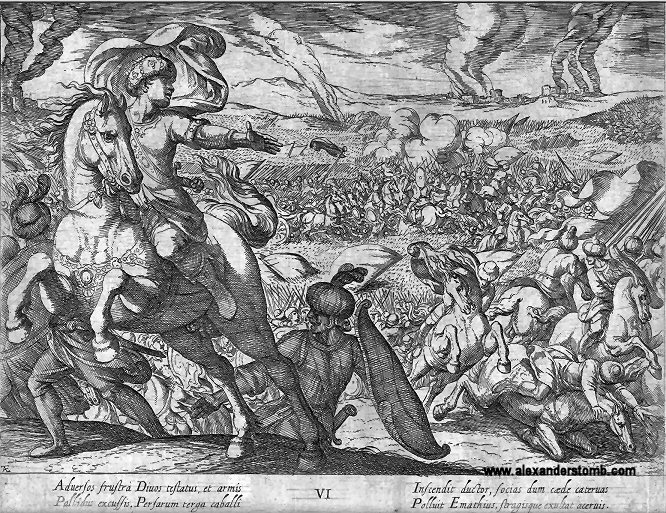 |
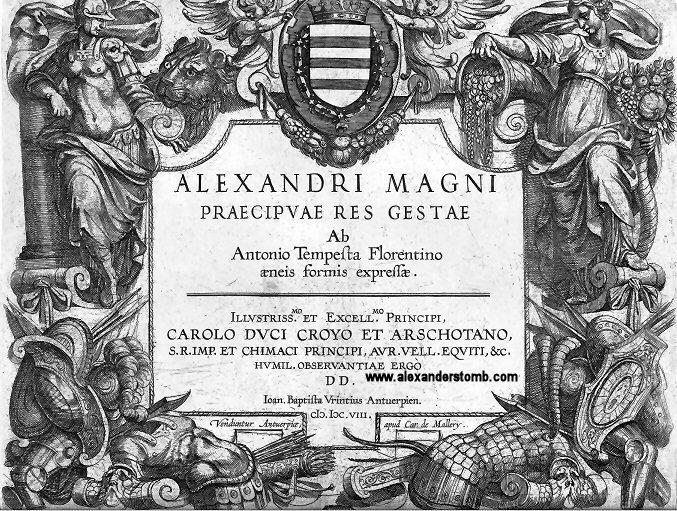
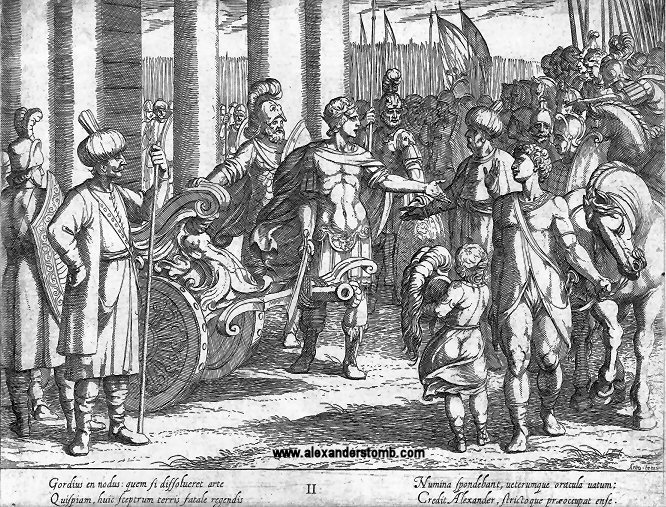
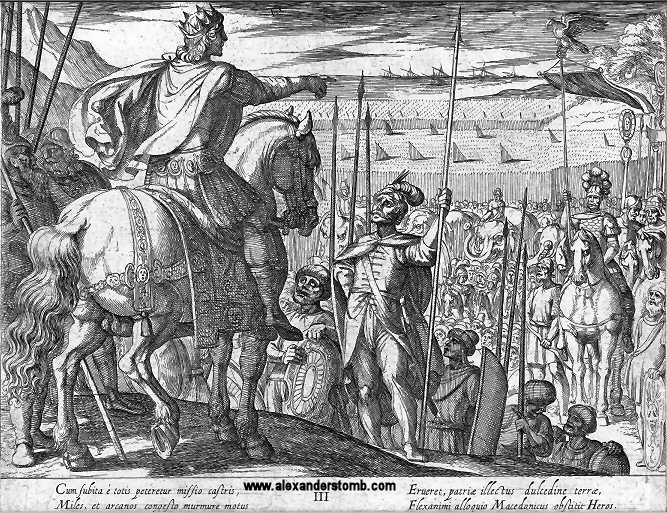
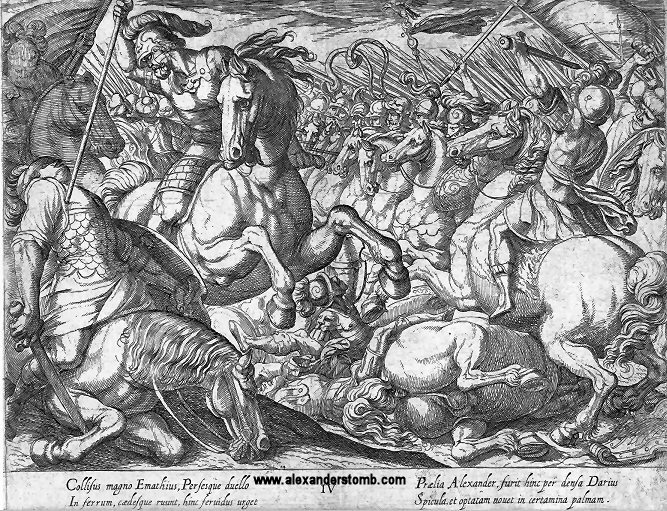
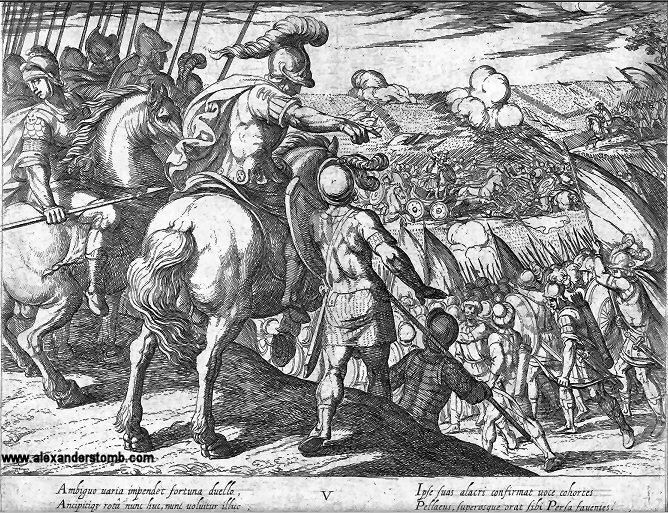
| Title plate of The Distinguished Deeds of Alexander the Great by Antonio Tempesta of Florence, printed from copper plates, 1608 | Alexander decides to use his sword to cut the Gordian knot in plate 2 of 11 by Antonio Tempesta of Florence, 1608 | The troops beg Alexander to allow them to return home from India in plate 3 of 11 by Antonio Tempesta of Florence, 1608 | A battle of Alexander against the Persians in plate 4 of 11 by Antonio Tempesta of Florence, 1608 | Alexander encourages his troops to stand fast in a battle against the Persians in plate 5 of 11 by Antonio Tempesta of Florence, 1608 | Persian cavalrymen turn their steeds in flight in a battle against Alexander in plate 6 of 11 by Antonio Tempesta of Florence, 1608 |
 |
 |
 |
 |
 |
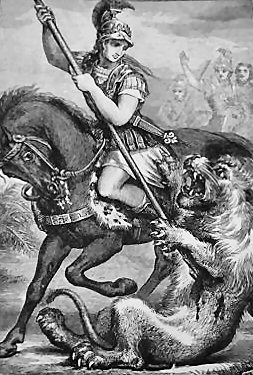 |
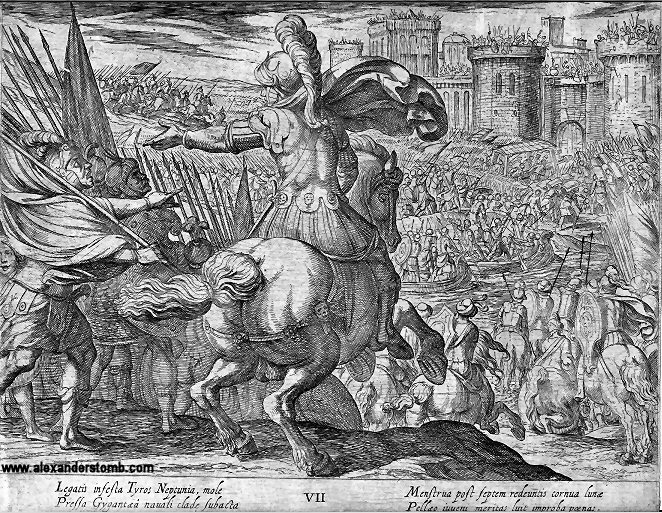
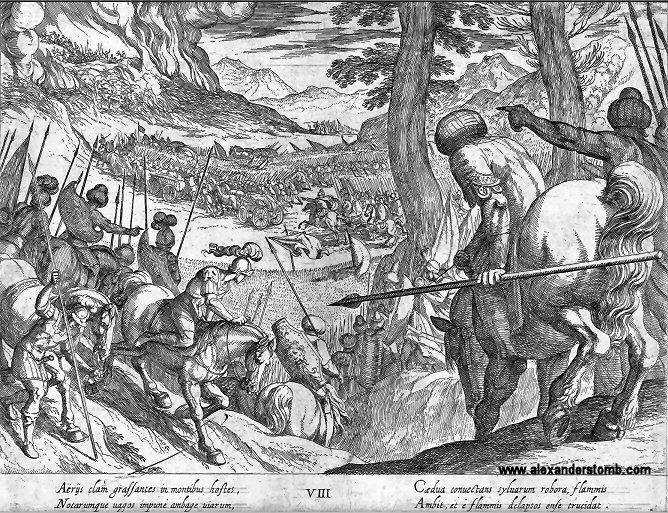
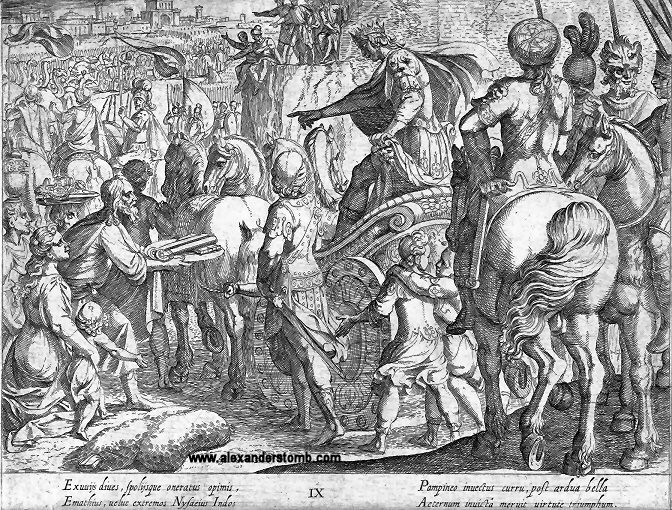
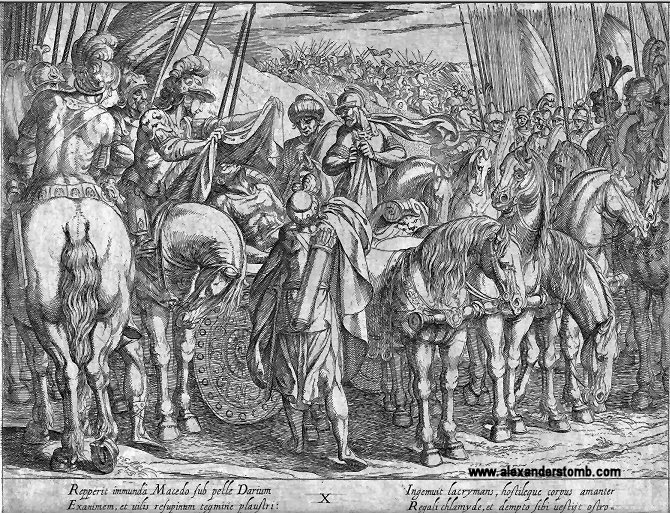
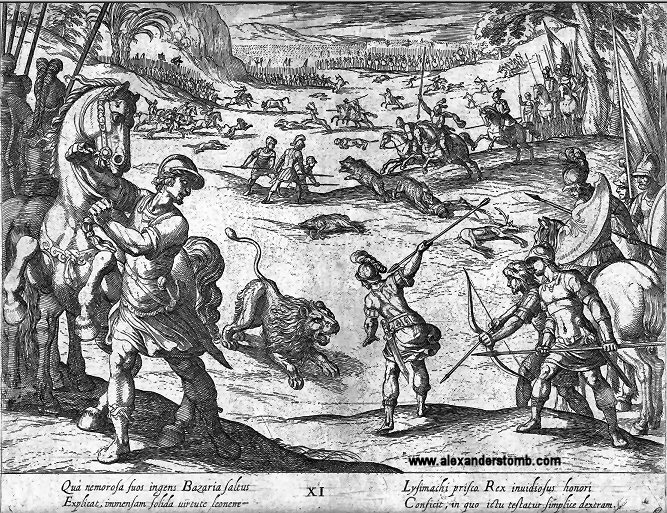
| A Macedonian assault during the siege of Tyre in plate 7 of 11 by Antonio Tempesta of Florence, 1608 | Alexander assaults a mountain fastness (Aornus?) via a secret route in plate 8 of 11 by Antonio Tempesta of Florence, 1608 | Alexander celebrates the surrender of the Indian city of Nysa with a triumphal procession in plate 9 of 11 by Antonio Tempesta of Florence, 1608 | Alexander drapes the corpse of Darius with his cloak in plate 10 of 11 by Antonio Tempesta of Florence, 1608 | Alexander's lion hunt in the game park of Bazaira in plate 11 of 11 by Antonio Tempesta of Florence, 1608 | Alexander kills a lion, perhaps in the Persian game park at Bazaira (1880) |
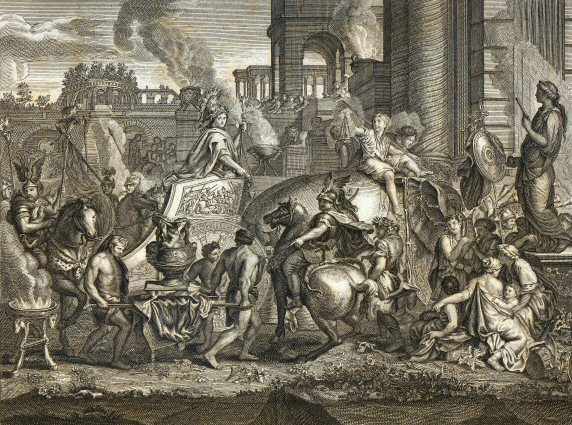 |
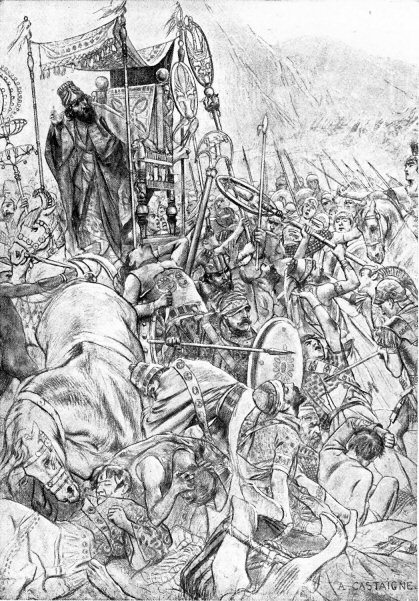 |
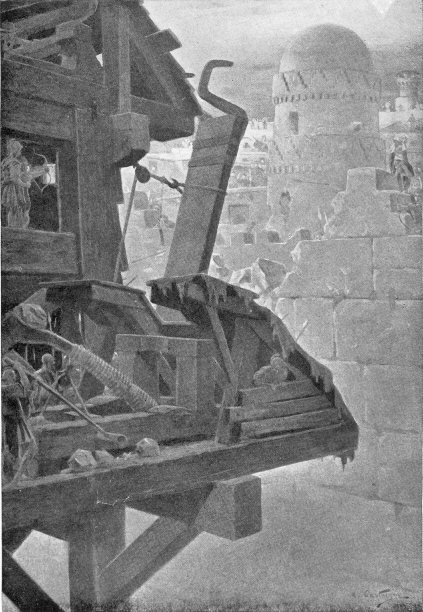 |
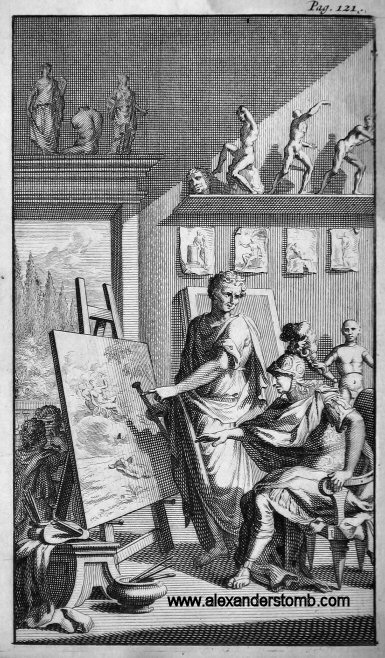 |
 |
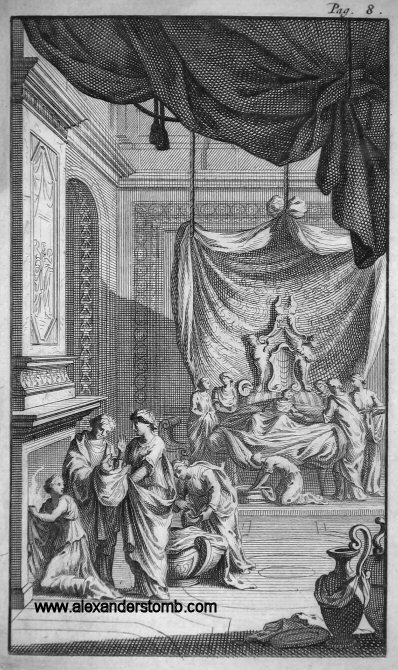 |
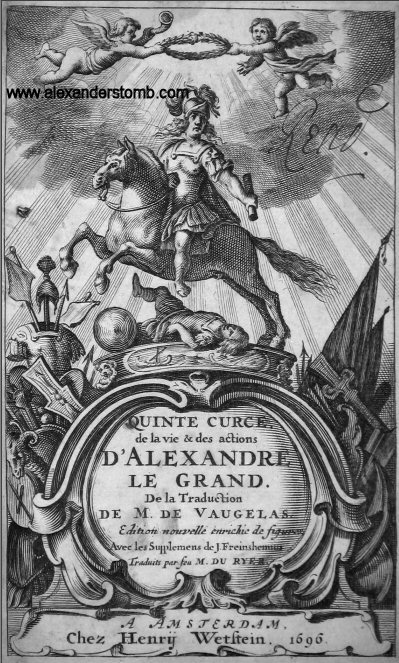
| The entry of Alexander into Babylon after the 17th century painting by Charles Le Brun (late 17th or early 18th century) | The fight about the chariot of Darius at Issus by Andr- Castaigne, published 1914 | The Siege of Gaza by Andr- Castaigne, published 1914 | Alexander with the painter Apelles from De Vaugelas' French translation of Curtius published in Amsterdam in 1696 | Title page from De Vaugelas- French translation of Curtius published in Amsterdam in 1696 | The birth of Alexander from De Vaugelas- French translation of Curtius published in Amsterdam in 1696 |
 |
 |
 |
 |
 |
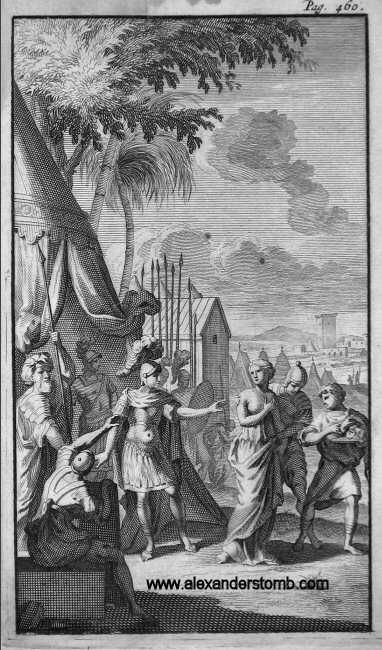 |
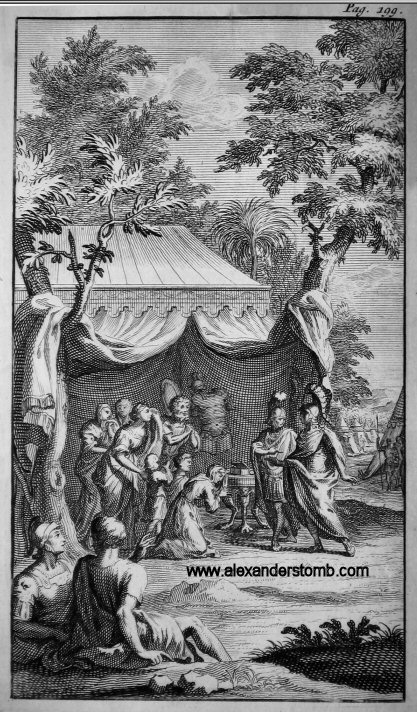
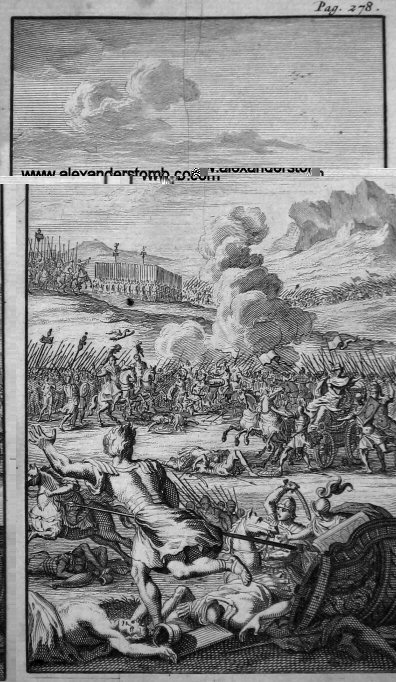
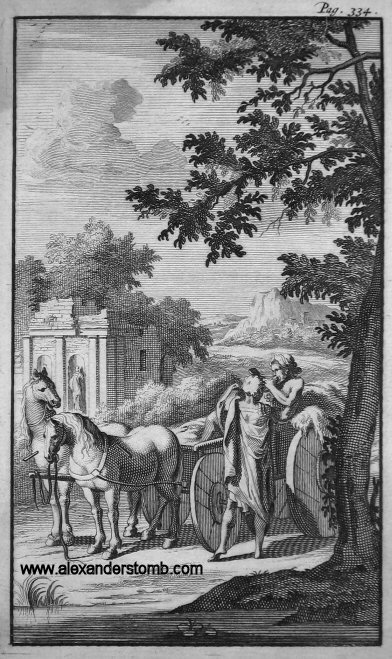
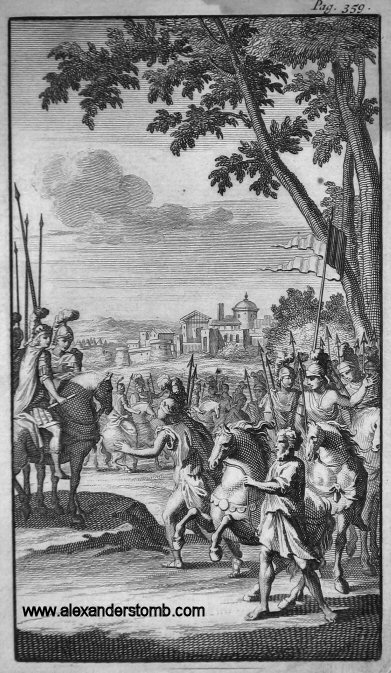
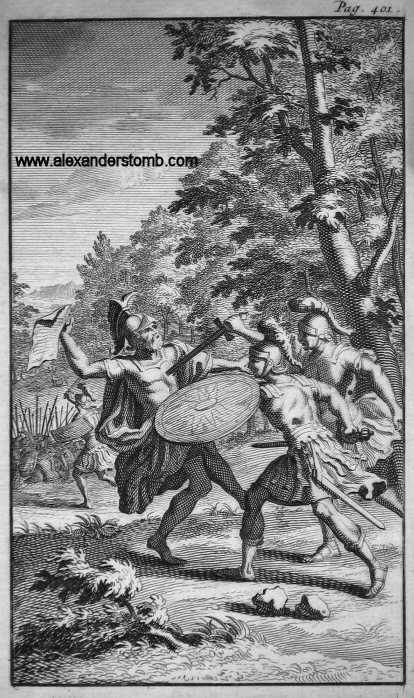
| Alexander & Hephaistion visit the Persian Royal Family after Issus from De Vaugelas' French translation of Curtius published in Amsterdam in 1696 | The Battle of Arbela (Gaugamela) from De Vaugelas' French translation of Curtius published in Amsterdam in 1696 | The death of Darius from De Vaugelas' French translation of Curtius published in Amsterdam in 1696 | Thalestris the Amazon Queen visits Alexander from De Vaugelas' French translation of Curtius published in Amsterdam in 1696 | The killing of Parmenion from De Vaugelas' French translation of Curtius published in Amsterdam in 1696 | Spitamenes' wife brings his head to Alexander from De Vaugelas' French translation of Curtius published in Amsterdam in 1696 |
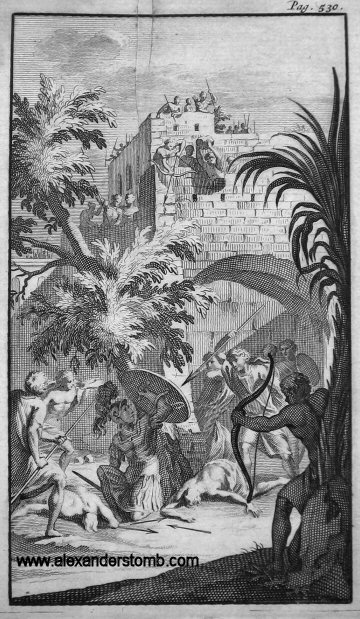 |
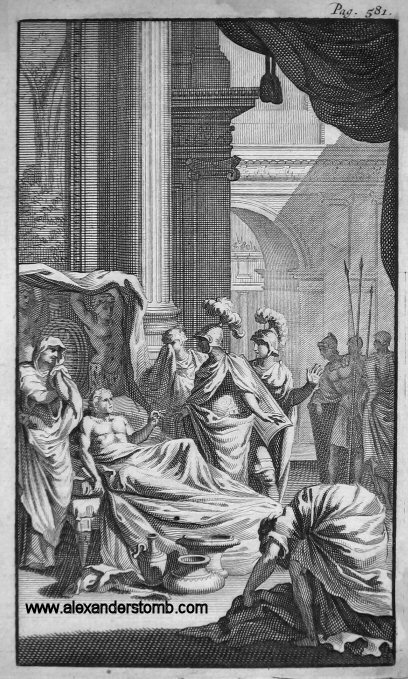 |
 |
 |
 |
 |
| Alexander�s lone defence against the Mallians/Oxydracae from De Vaugelas' French translation of Curtius published in Amsterdam in 1696 | The death of Alexander from De Vaugelas' French translation of Curtius published in Amsterdam in 1696 |
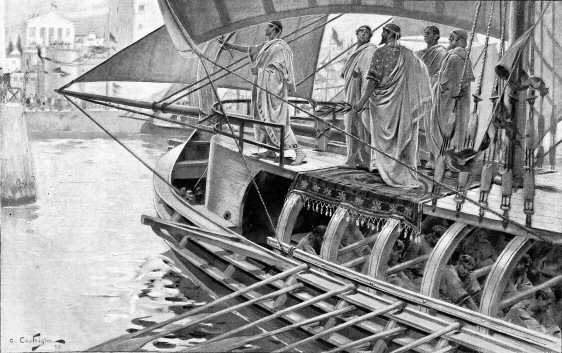
The arrival of the Athenian ambassadors to Alexander at Tyre in the state galley, the Paralus, by Andr- Castaigne, 1899 |
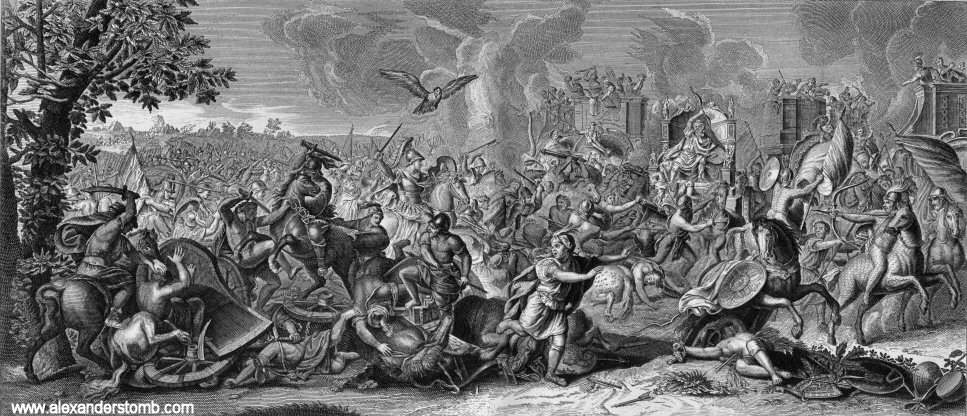
The battle of Arbela (Gaugamela) by Charles Le Brun, published in this engraving circa 1730 by Dallenne |
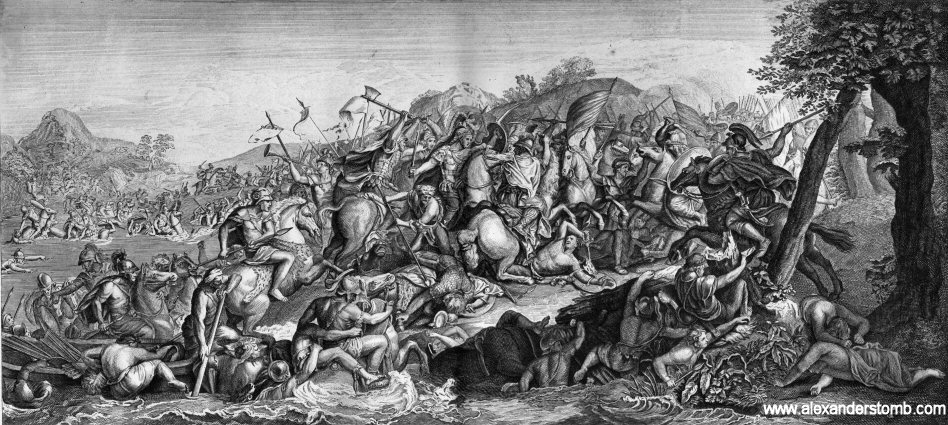
The battle of the Granicus by Charles Le Brun, published in this engraving circa 1730 by Dallenne |
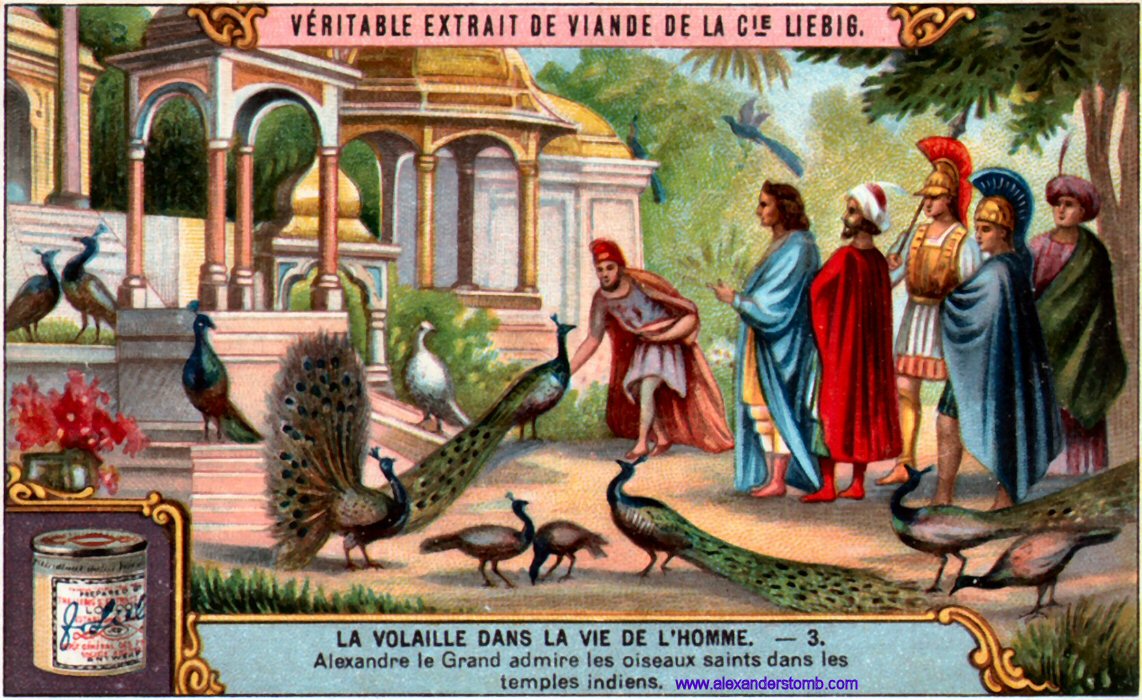
Alexander encounters peacocks at an Indian temple - early 20th century card |
 |
 |
 |
 |
 |
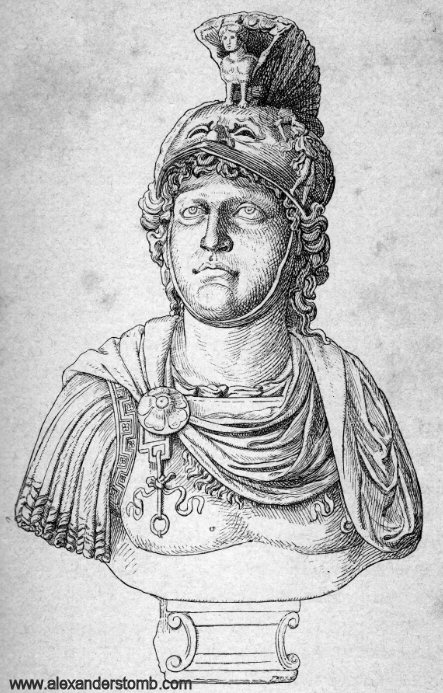 |
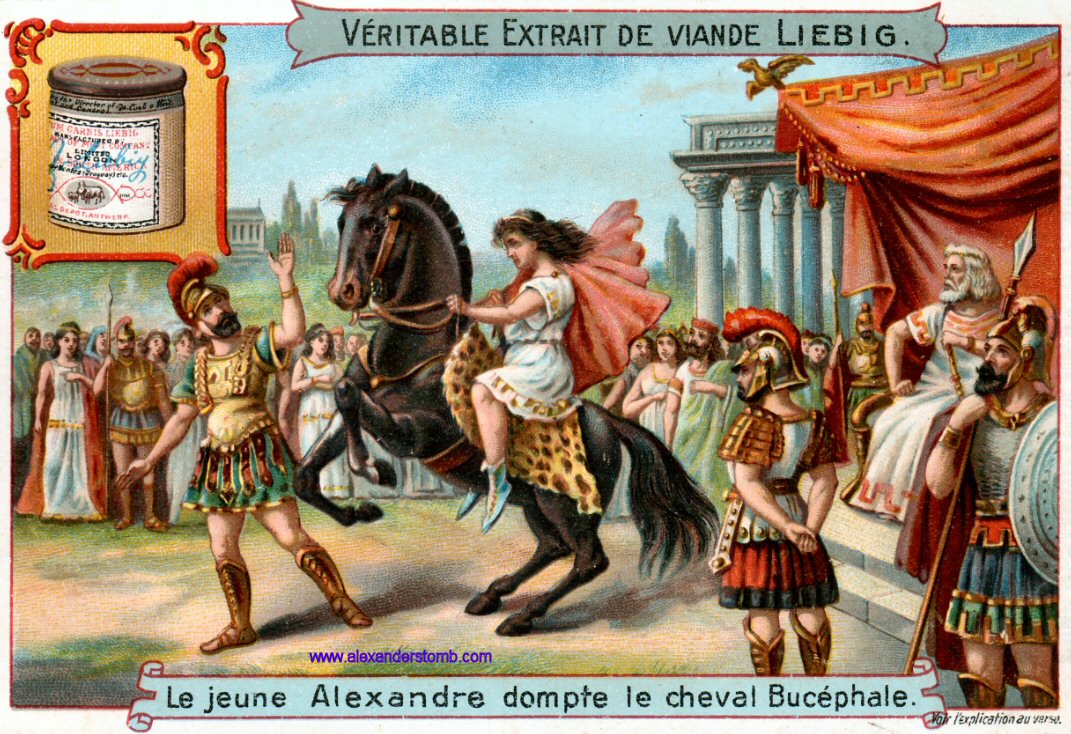
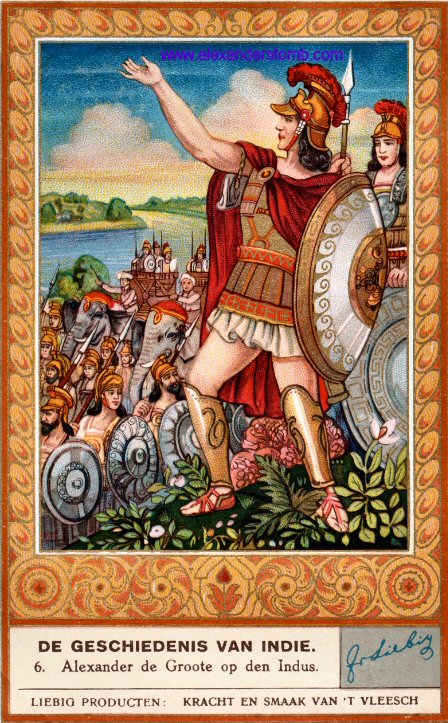
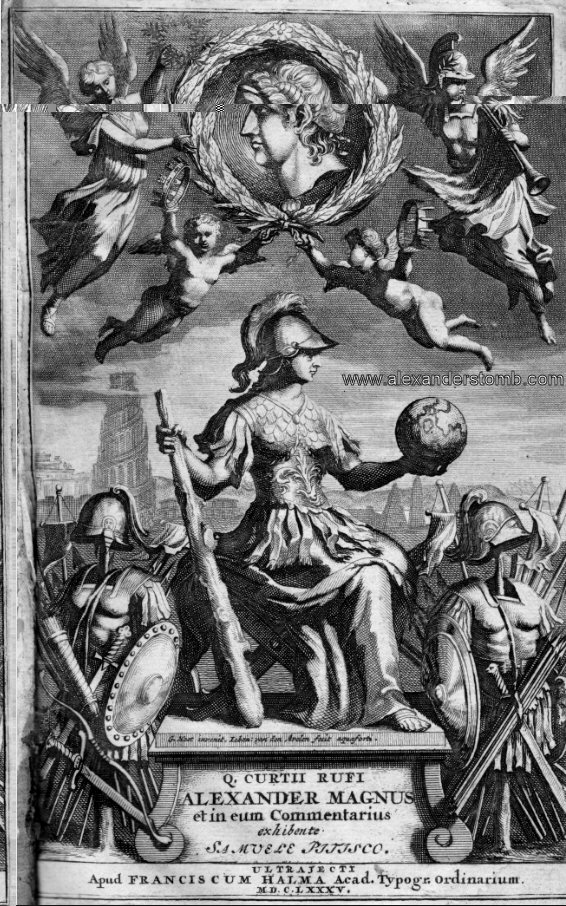
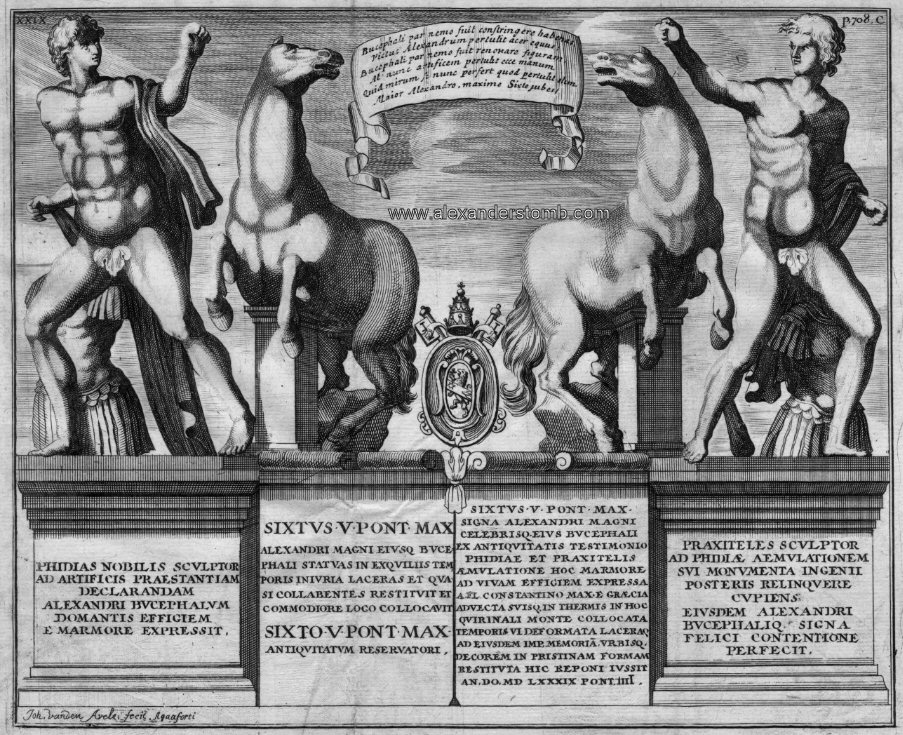
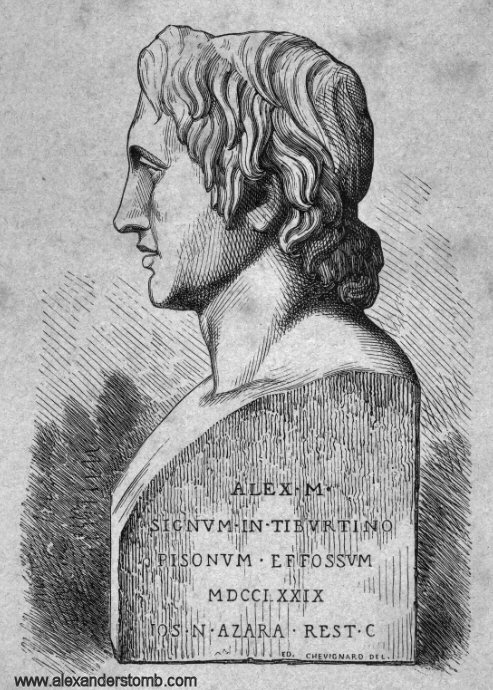
| The young Alexander tames Bucephalus - early 20th century card | Alexander marches his army down the banks of the Indus - early 20th century card | Frontispiece of the 1685 edition of Curtius by Samuel Pitiscus | Statues of Alexander with Bucephalus engraved by Johannes van den Avele, 1685 | Engraving of the Azara herm - a rare instance of an ancient portrait of Alexander that was inscribed with his name - published 1889 | A Roman bust of Alexander found at Italica near Seville, published in 1889 |
 |
 |
 |
 |
 |
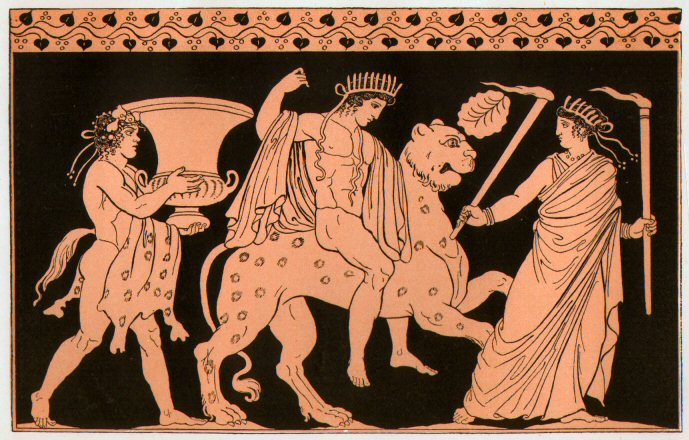 |
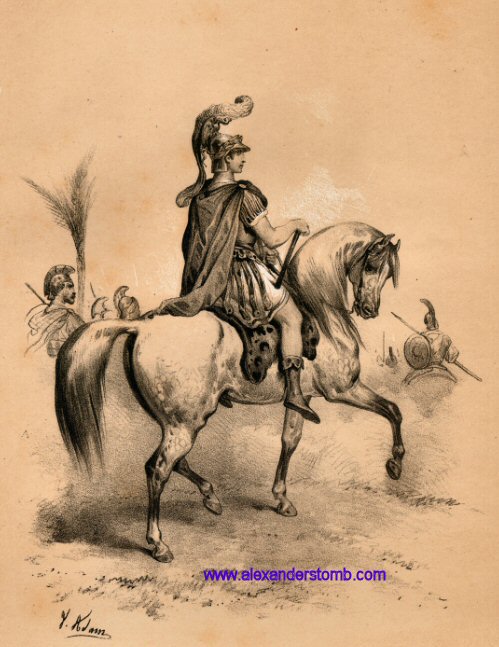
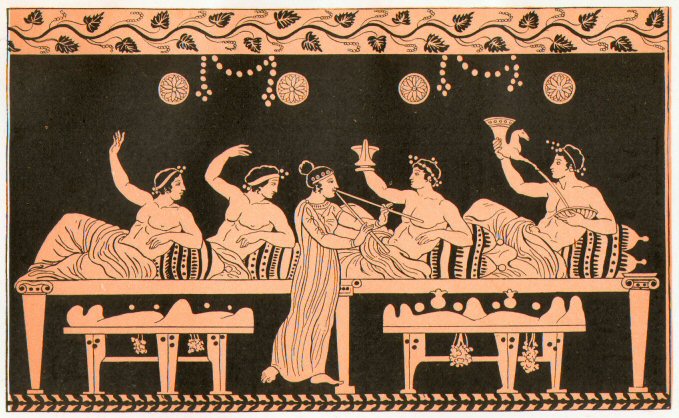
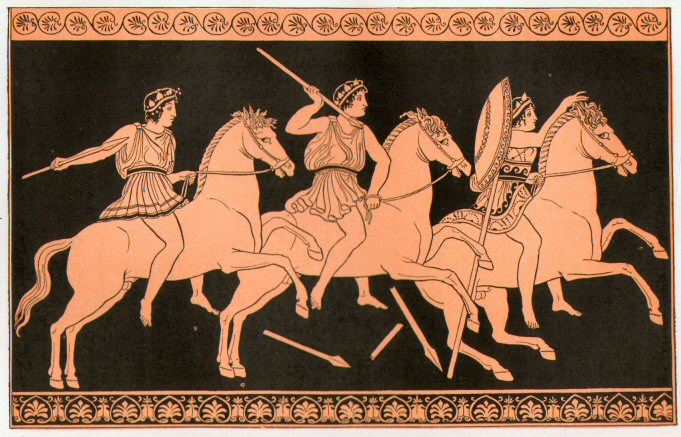
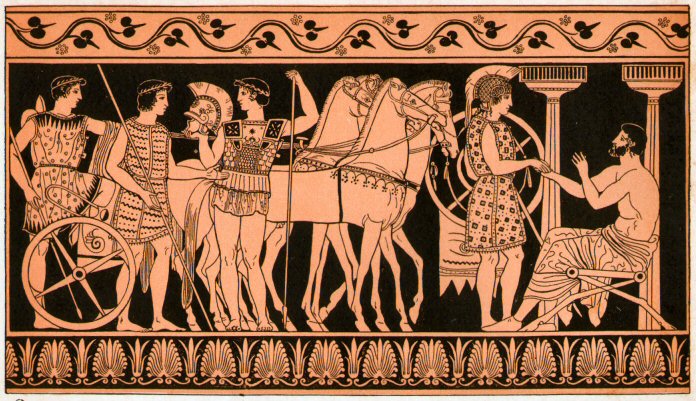
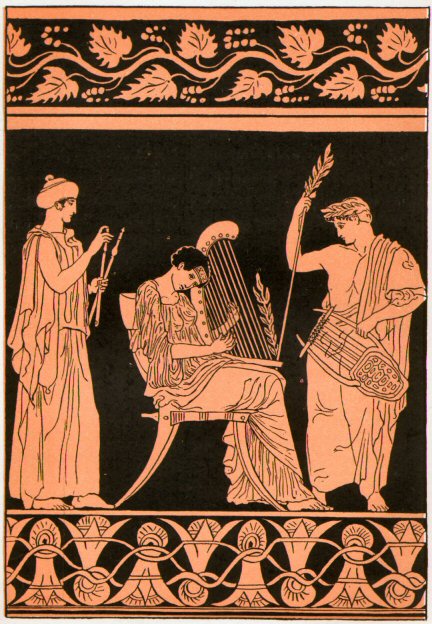
| Alexander on Bucephalus drawn by Victor Adam and printed in two-tone by Lemercier in Paris in 1859 | Alexander's banquet at Samarkand (Maracanda) in an illustration from 1890 drawn in a style imitating Attic red-figure pottery | Alexander's companions in an illustration from 1890 drawn in a style imitating Attic red-figure pottery | Alexander's departure from Macedon for Asia in an illustration from 1890 drawn in a style imitating Attic red-figure pottery | Alexander's mistress Barsine in an illustration from 1890 drawn in a style imitating Attic red-figure pottery | The procession of Dionysus through India as conceived by Alexander and his contemporaries in an illustration from 1890 drawn in a style imitating Attic red-figure pottery |
 |
 |
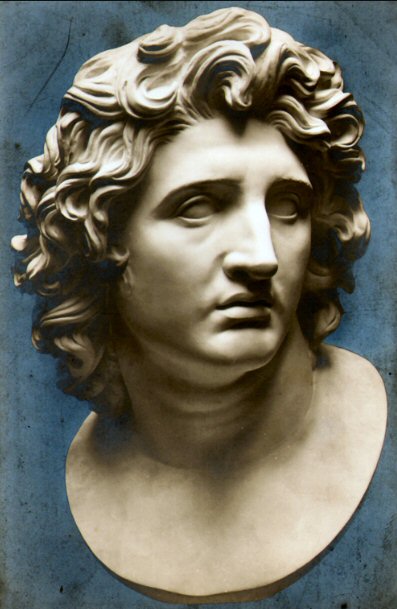 |
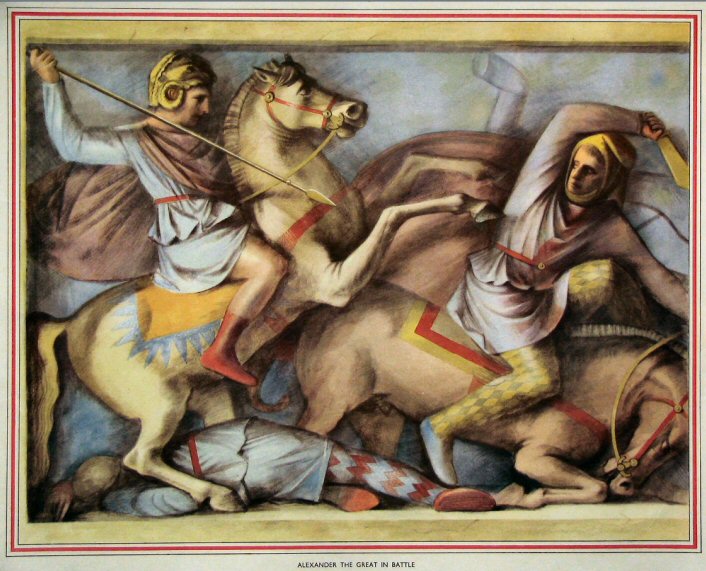 |
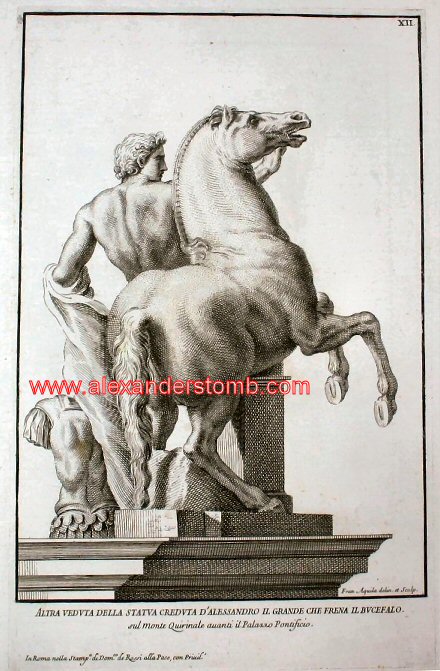 |
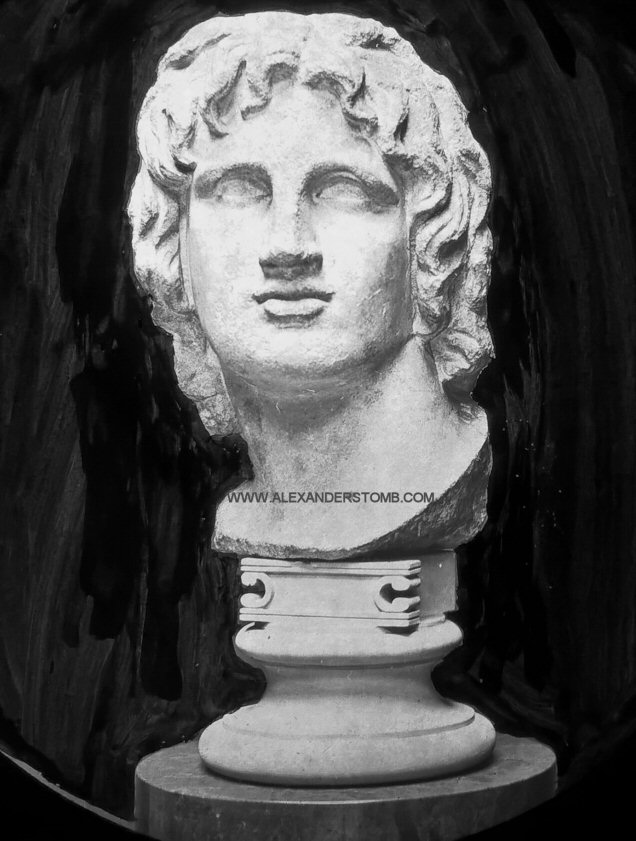 |
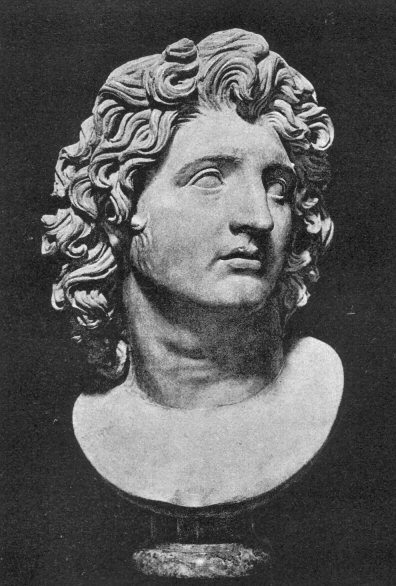
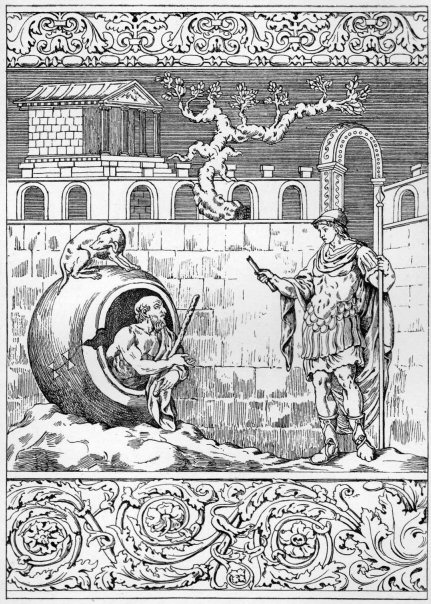
| The Capitoline bust of Alexander-Helios from Rome in an antique photograph from 1890 | The meeting of Alexander and Diogenes at Corinth in an antique illustration from 1890 | The Capitoline bust of Alexander-Helios from Rome in an antique postcard from 1907 | The first section of the long battle scene on the side of the Alexander Sarcophagus from Sidon redrawn and coloured (as it was originally) for a school poster | An Italian engraving of about 1700 depicting an ancient statue group thought to represent Alexander and his steed Bucephalus |
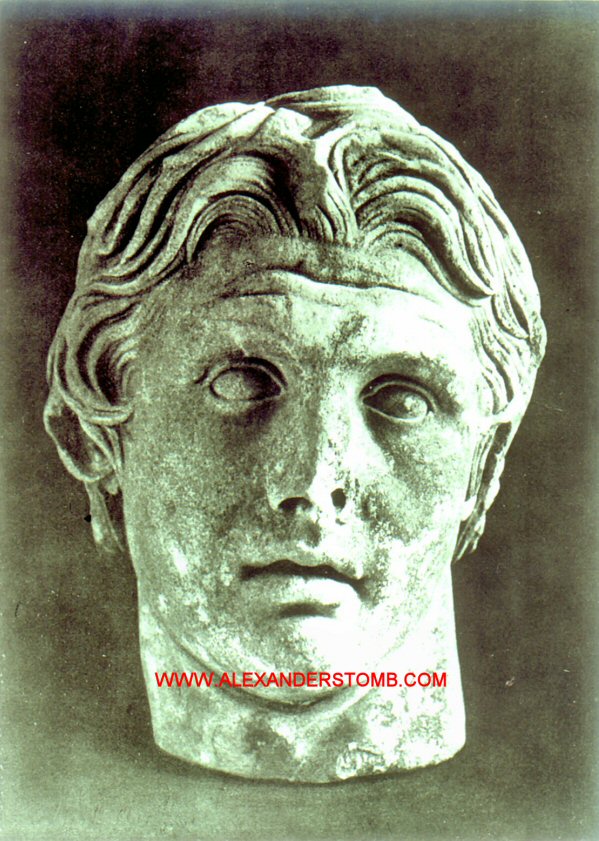
A Hellenistic life-size head of Alexander
from Alexandria and now in the British Museum in a 19th
century lantern slide view |
 |
 |
||||
|
A greater-than-lifesize head of Alexander
from Pergamon now in Instanbul in a 19th
century lantern slide view |
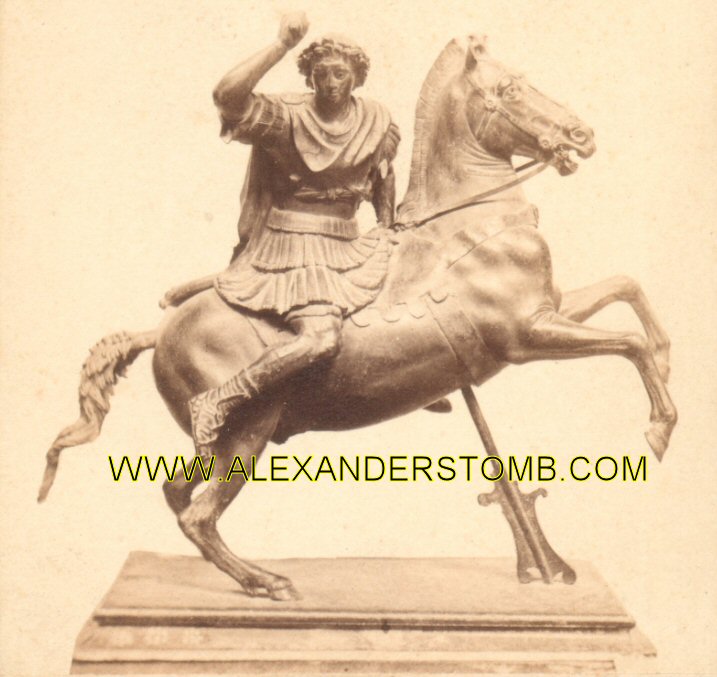
Antique photo of a statuette found in the ruins of Pompeii depicting
Alexander the Great riding Bucephalus. |
A high quality version of any of these images can be supplied together with copyright permissions for use in Illustrating books, magazines, programmes et cetera under normal terms. Please click here to apply.